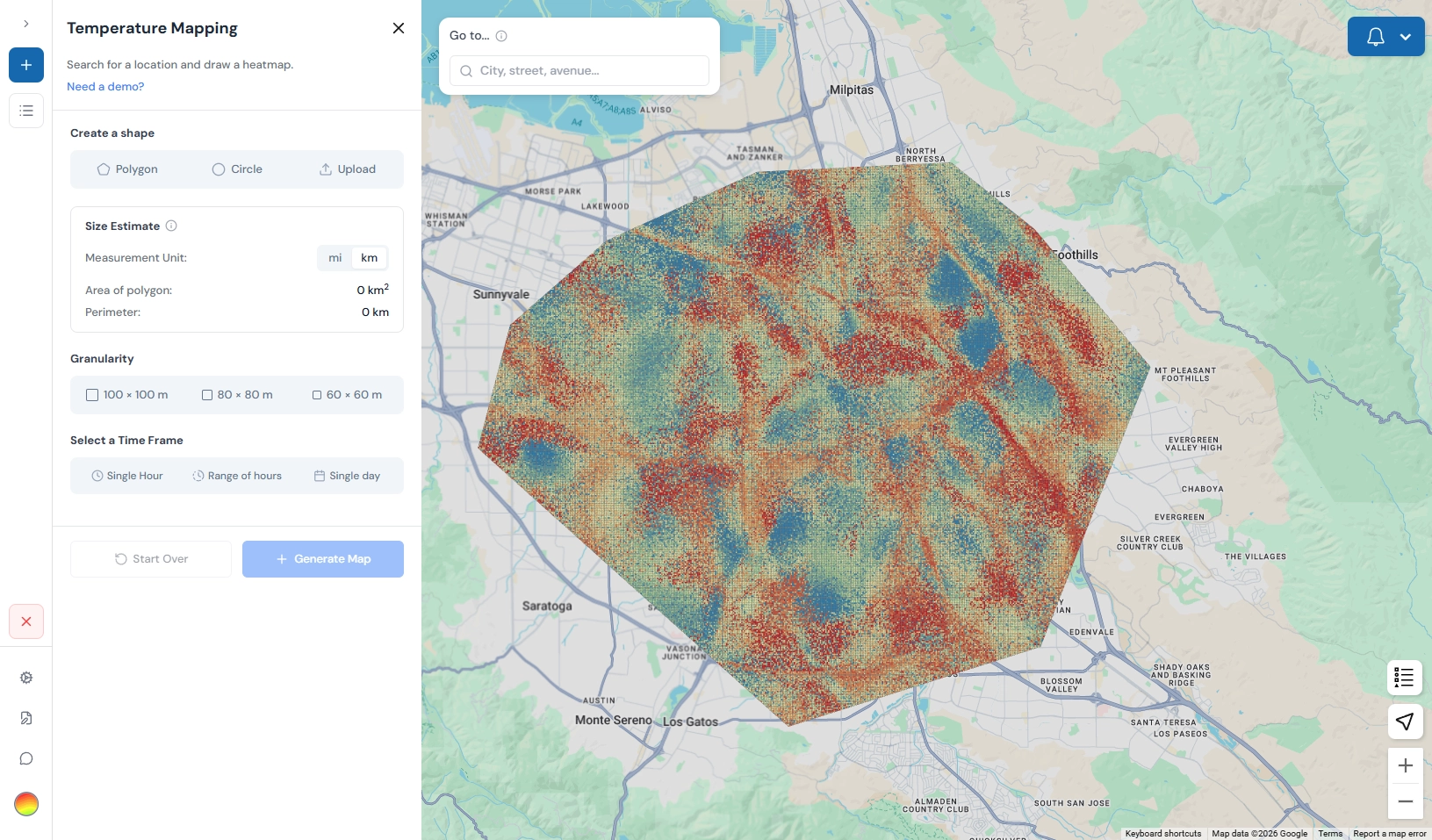
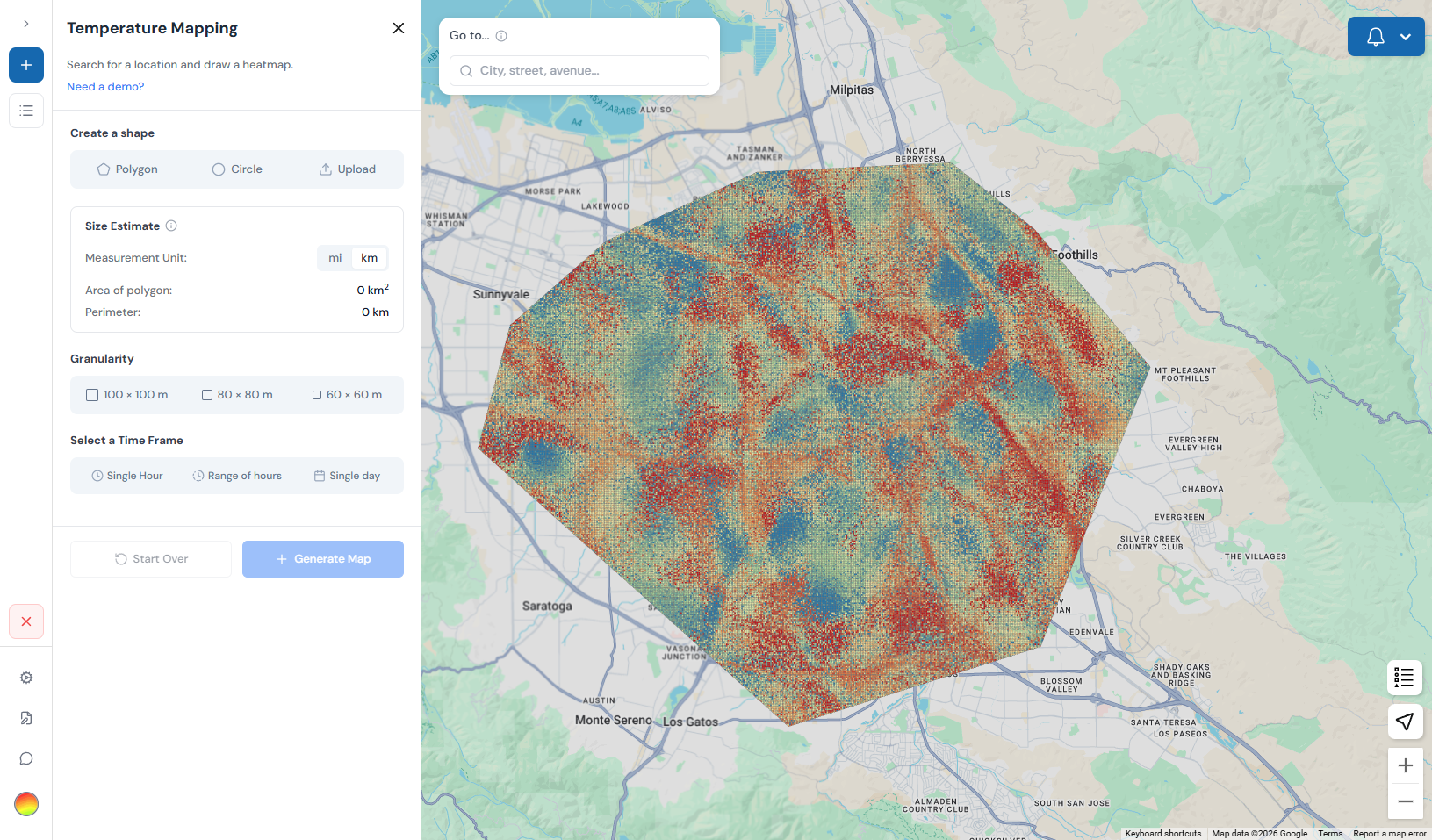

Temperature intelligence for the physical world. FortyGuard models how temperature behaves at the level of sites, assets and operations—then delivers that intelligence through software, APIs and agent tools so teams can make better decisions about what to build, where to invest and how to operate.
From regional weather to local thermal state. Weather describes the atmosphere around a place. FortyGuard connects those conditions to geometry, materials, terrain, time and asset context—so temperature can inform a physical decision.
Observe
Combine ground observations, weather, satellite and remote-sensing inputs with terrain, land cover and customer data.
Observe
Infer
Forecast
Simulate
Decide
How FortyGuard Sees Heat
From regional weather to local thermal state. Weather describes the atmosphere around a place. FortyGuard connects those conditions to geometry, materials, terrain, time and asset context—so temperature can inform a physical decision.
Infer
Estimate local thermal state at the level of the site, asset or route—not only at the nearest weather station.
Observe
Infer
Forecast
Simulate
Decide
How FortyGuard Sees Heat
From regional weather to local thermal state. Weather describes the atmosphere around a place. FortyGuard connects those conditions to geometry, materials, terrain, time and asset context—so temperature can inform a physical decision.
Forecast
Anticipate how conditions change across the next operating window, design period or planning horizon.
Observe
Infer
Forecast
Simulate
Decide
How FortyGuard Sees Heat
From regional weather to local thermal state. Weather describes the atmosphere around a place. FortyGuard connects those conditions to geometry, materials, terrain, time and asset context—so temperature can inform a physical decision.
Simulate
Test how geometry, materials, shade, airflow, cooling or another intervention changes the thermal result.
Observe
Infer
Forecast
Simulate
Decide
How FortyGuard Sees Heat
From regional weather to local thermal state. Weather describes the atmosphere around a place. FortyGuard connects those conditions to geometry, materials, terrain, time and asset context—so temperature can inform a physical decision.
Decide
Return a site ranking, design comparison, routing score, operating window or evidence package a team can use.
Observe
Infer
Forecast
Simulate
Decide
One intelligence layer. Many physical decisions.
Temperature changes the economics of places, infrastructure, equipment and movement. FortyGuard makes those effects visible before and after capital is committed.
More than 3,800 builders from over 50 countries took on extreme heat with FortyGuard's temperature intelligence. Meet the three winning projects and the teams behind them.
Data Center Ambient Thermal Screen (DATS) Across U.S.
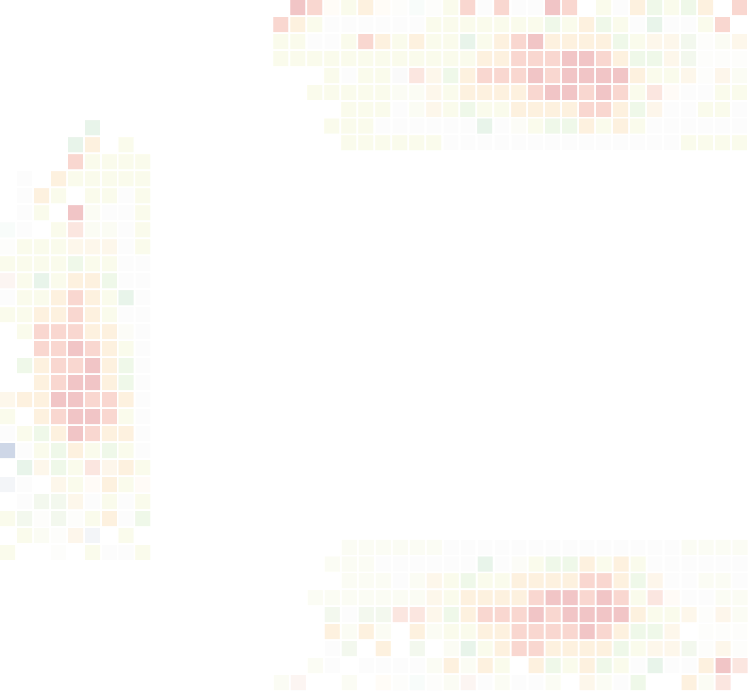
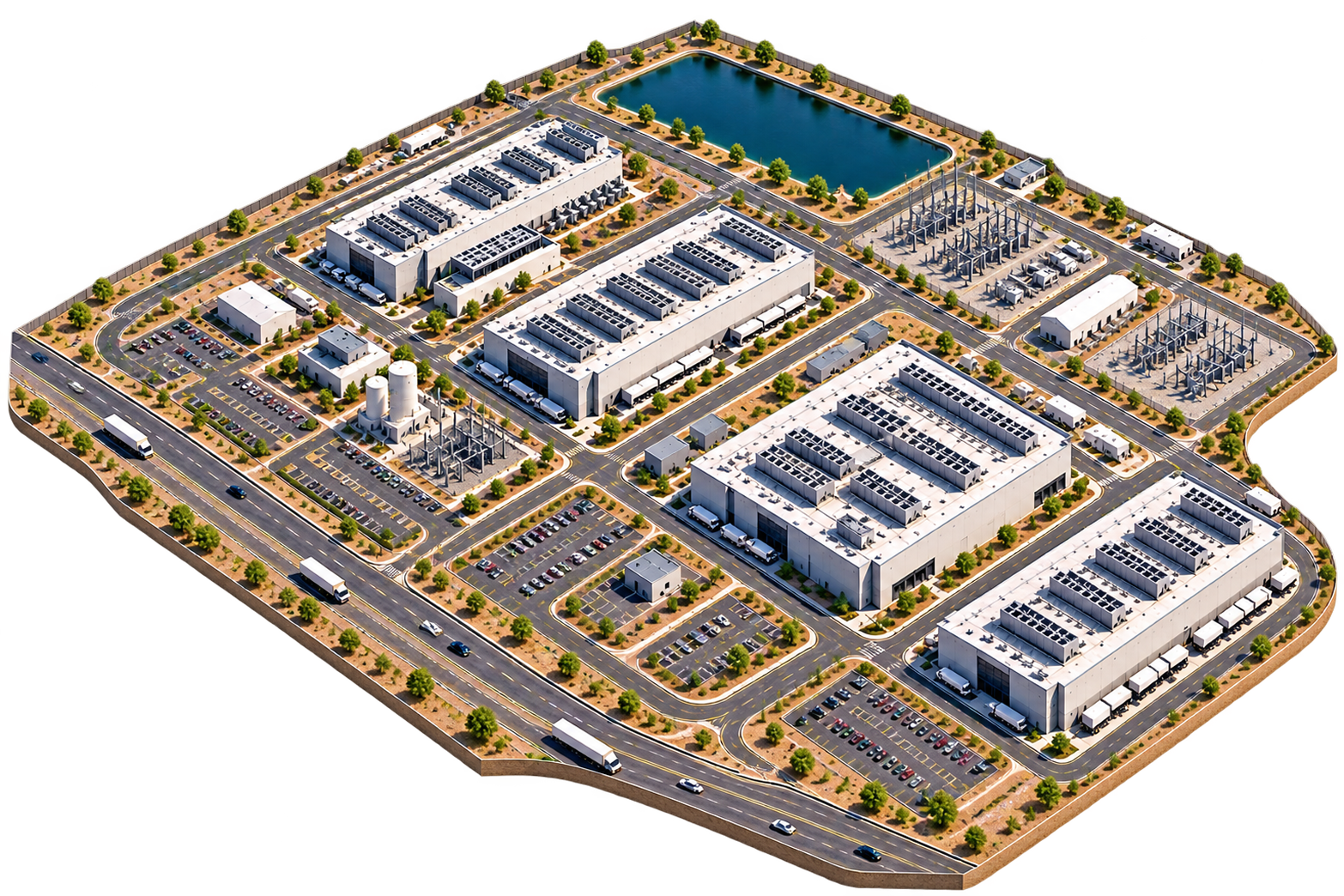
FortyGuard's Data Center Ambient Thermal Screen (DATS) 2025 Baseline measured 36 US AI data centers across six thermal layers. The hottest surface reads 61 °C from orbit. Surfaces run up to 29 °C hotter than the air above them. Heat varies by 18.6 °C inside a single fence. The most exposed campus stays thermally distinguishable from its surroundings out to 4 km, and all five leaders ran hotter than their own city on 95–100 % of summer days.
One City, Two Heat Problems: Inside the Greater Tripoli Thermal Assessment
FortyGuard's Greater Tripoli thermal assessment mapped the city's heat pattern using 14.2 million ERA5 climate readings and 98 Landsat thermal scenes — and revealed the city has two distinct heat problems, not one, in completely different geographies. It's the case study behind the framework we now apply to any city with satellite coverage.